
August 31
Some Wine and Jazz: Exploring Exoplanet Architectures from Hot to Cold Jupiters with Two Observational Programs at the Lowell Discovery Telescope
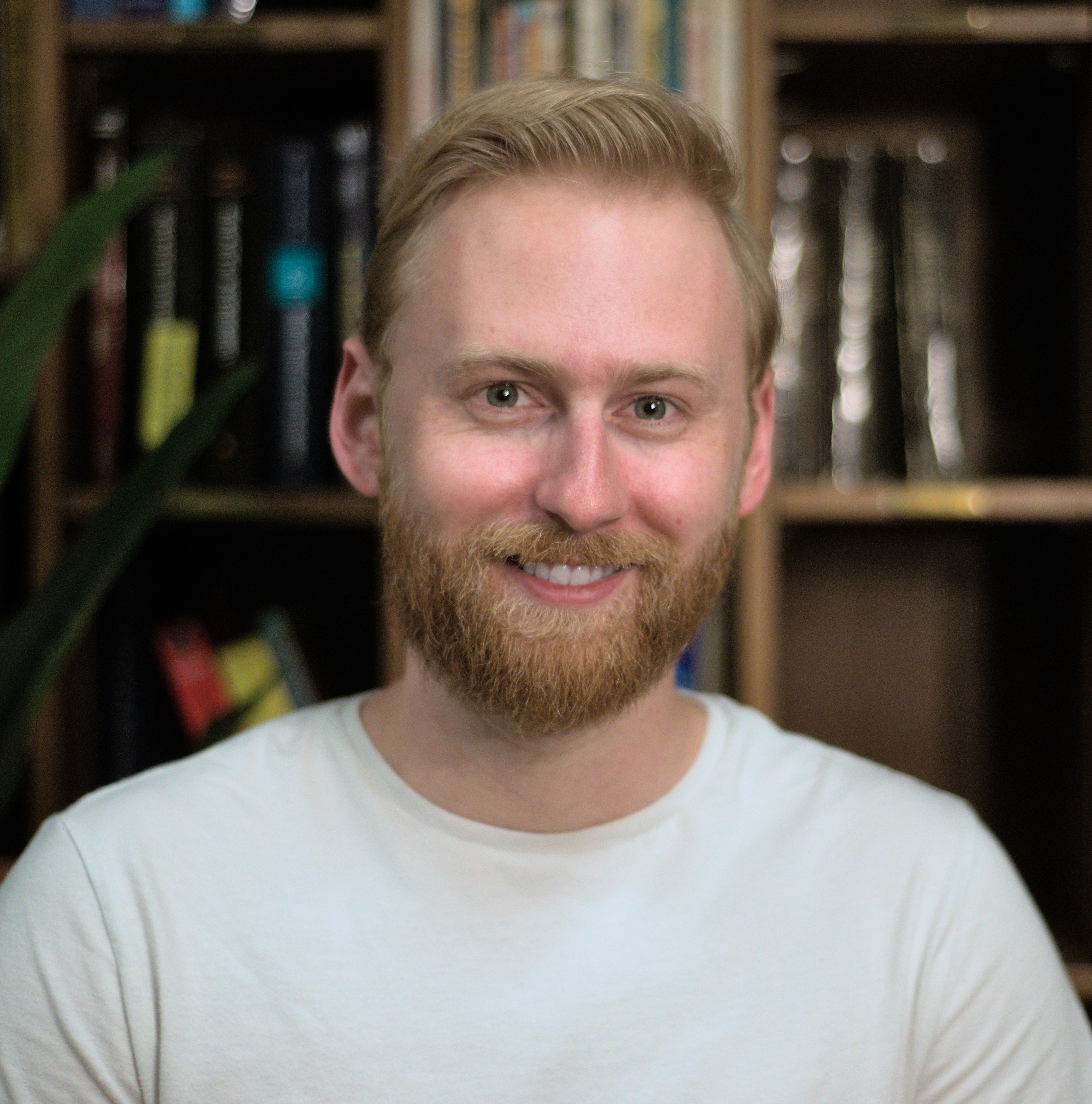
Speaker: Dr. Alex Polanski, Lowell Observatory
Abstract: The discovery of thousands of exoplanets has revealed a diversity of system architectures that shed light on the various formation mechanisms shaping the exoplanet landscape we see today. In this talk, I will present results from two programs I am leading using the EXtreme PREcision Spectrograph (EXPRES) at the Lowell Discovery Telescope (LDT). The first is the Jovian Architectures Survey (JAS, pronounced "jazz"), a long-term survey targeting systems with known Jupiter-analogs to search for low-mass planets. Solar-system-like architectures are likely rare, with only 6–10% of stars forming long-period giants akin to Jupiter. The rarity of these systems, combined with the limited precision of previous RV platforms, means the survivability of smaller planets remains poorly constrained empirically. I will provide an update on our survey of ~15 Jovian systems using the remarkable stability of EXPRES (50–80 cm/s), including the discovery of an 80-day "warm Neptune" in the HD 50554 system.
In addition to JAS, I will also present CHIANTE: a program to confirm and characterize potential targets of the upcoming Ariel mission. Using the Rossiter–McLaughlin effect, I measured the obliquity of four hot Jupiters in binary systems. We use these measurements to assess the contribution of the von Zeipel–Kozai–Lidov (vZKL) mechanism to the formation of S-type hot Jupiters specifically—an often-invoked migration pathway for forming such planets. Interestingly, we find that the vZKL mechanism struggles to replicate the observed obliquity distribution, even for a population where this mechanism is most likely to be at work. We estimate that vZKL can produce ~30% of the hot Jupiters in multi-star systems. This work provides additional obliquity measurements that will eventually help connect planet formation to the atmospheric measurements that will be made with Ariel.
Host: Yoni Brande