March 11
Where do stars explode in the ISM? A new constraint on stellar feedback models
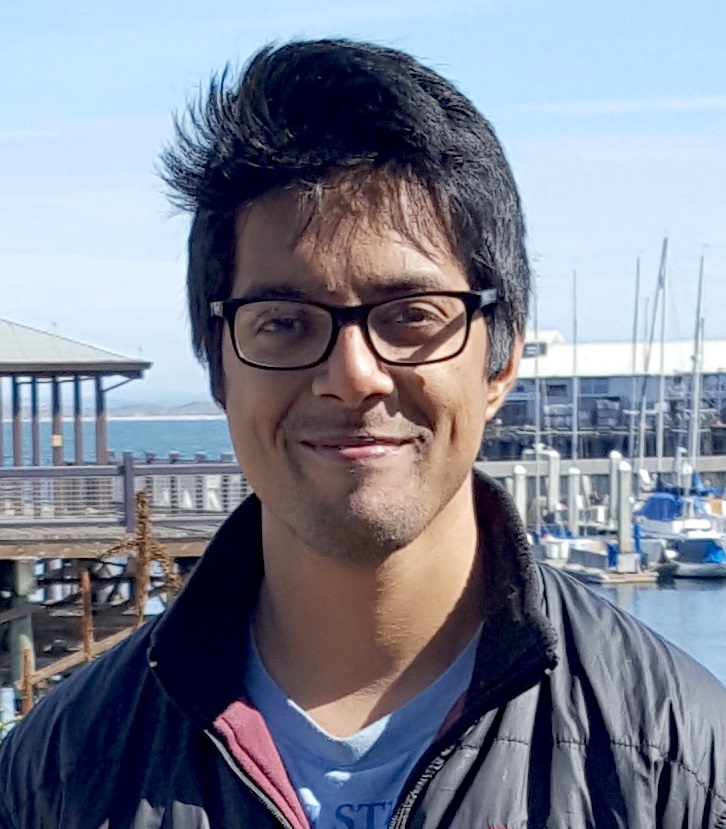
Speaker: Dr. Sumit K. Sarbadhicary, Johns Hopkins University
Abstract: In this talk, I will present the first set of direct observational constraints on where stars explode in the interstellar medium (ISM) from high-resolution surveys of nearby galaxies with JWST, HST, VLA, ALMA and VLT/MUSE. Explosions of stars, i.e. supernovae (SNe) are the main regulators of star-formation in galaxies. They achieve this most directly by launching winds, which remove cold star-forming gas from the ISM, and creating pressure in the ISM by supplying heat, turbulence and cosmic rays. The efficiency of these processes depend sensitively on the environments where SNe occur, particularly the correlation between SNe and dense gas clouds. While there is evidence of SN shocks interacting with molecular clouds, the ionizing radiation and stellar winds from massive stars can quickly unbind and disperse dense clouds before SNe occur. How these different feedback channels limit star-formation in molecular clouds and launch winds is one of the biggest open questions in galaxy evolution. I will discuss how we can address this topic with the novel method of observations of evolved massive stars and supernova remnants in the Local Volume, supplied by high-resolution multiwavelength surveys like PHANGS, LGLBS and SDSS. I will also show preliminary comparisons with hydrodynamical simulations of galaxies to show how these observations can serve as valuable checks on the underlying stellar feedback models.
Host: Ankita Bera